Be yourself; Everyone else is already taken.
— Oscar Wilde.
This is the first post on my new blog. I’m just getting this new blog going, so stay tuned for more. Subscribe below to get notified when I post new updates.
E-PORTFOLIO [UED102] Muhammad Haziq Bin Rosli
Study smart don’t study hard
Be yourself; Everyone else is already taken.
— Oscar Wilde.
This is the first post on my new blog. I’m just getting this new blog going, so stay tuned for more. Subscribe below to get notified when I post new updates.
Paraphrasing and Referencing Exercise :
“Malaysian ministers seek action against Zakir Naik for questioning patriotism of Hindus in the country”
Malaysia Communications and Multimedia Minister Gobind Singh Deo, Human Resources Minister M Kulasegaran, and Minister of Water, Land and Natural Resources YB Xavier Jayakumar had raised the matter in the Cabinet of Malaysia on Tuesday drawing the attention of Malaysia Prime Minister Mahathir Bin Mohamad. (ZEE News, 14 August 2019)
In a move against controversial Islamic preacher Zakir Naik, three ministers of the Malaysia Cabinet has sought action against him asking for his expulsion from the country. The move comes after Naik’s controversial statement in a recent event in Kota Bharu questioning the patriotism and loyalty of the Hindus in Malaysia. (ZEE News, 14 August 2019)
All the ministers had issued statements slamming Naik accusing him of trying to create a fissure in a multi-ethnic and religious society of the country, adding that they raise objections to Naik holding any further events in Malaysia. They also called Naik’s presence in Malaysia as “embarrassing to all Malaysians”. (ZEE News, 14 August 2019)
“We have raised with the Prime Minister and the Cabinet this morning, the issue of the presence of Zakir Naik in Malaysia and the recent event held by him in Kota Bharu over the weekend and other statements he has made which have caused controversy. We have expressed our position which is that action must be taken and that Zakir Naik should no longer be allowed to remain in Malaysia. The Prime Minister has taken note of our concerns. We leave it to him to consider the position and to decide soonest possible what will be done to deal with the problem. We also reiterate the concerns raised by many over speeches and statements of his which have been inflammatory in nature. We, therefore, express our objections to Zakir Naik in the meanwhile, holding any further events here in Malaysia or making further statements which impact on race relations and public order, said Deo in a statement. (ZEE News, 14 August 2019)
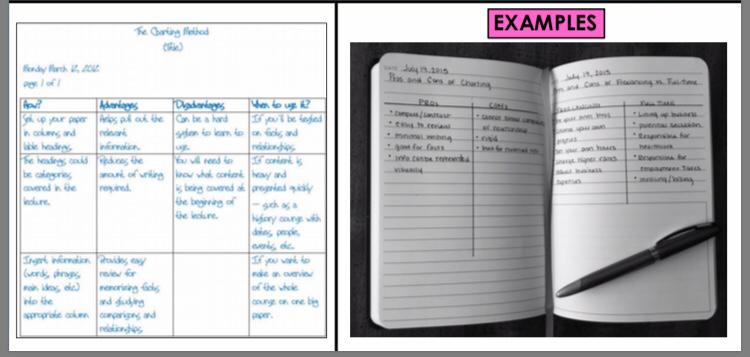
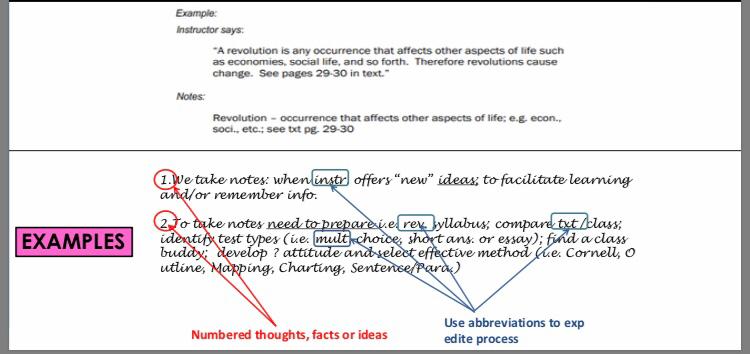
Methods For Taking Notes :
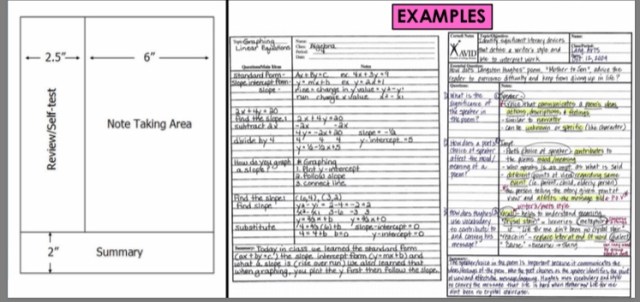
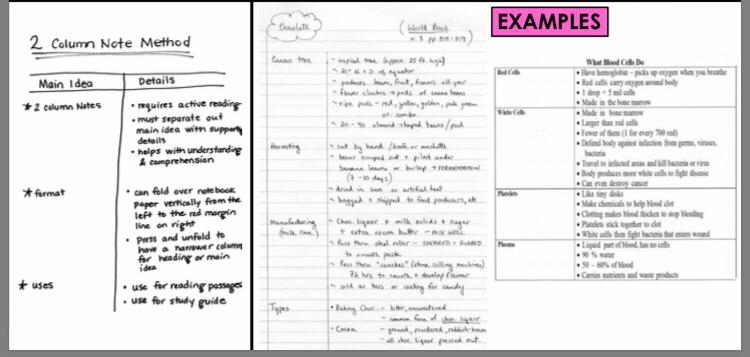
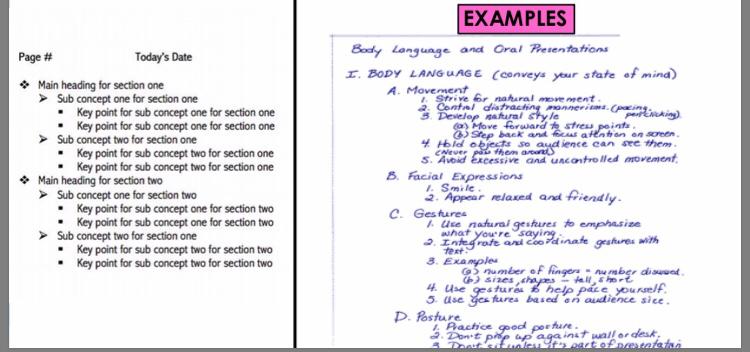
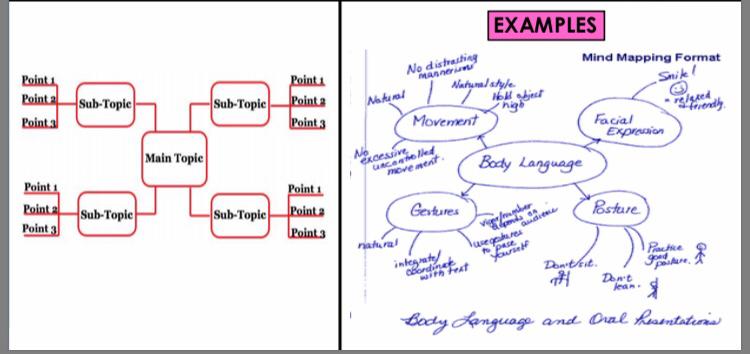
The Learning Pyramid : It will increase from one to another
Memory process : When we learn, and remember, we will encode, store, and retrieve the information. The analogy is like a computer
Three different types of memory :
Activity : Write down what you remember
Wednesday :
Thursday :
Friday :
ACADEMIC GOALS :
Goals : To get Anugerah Naib Kaunselor
Obstacles :
Resources :
Review And Revise : Yes
Publish : Anugerah Naib Kaunselor
PERSONAL GOALS :
Goals : To be a Commander
Obstacles : Not good at managing time
Resources : Find friends with a same goals
Review And Revise : Do a daily schedule
Publish : To be an aspiring person
This is an example post, originally published as part of Blogging University. Enroll in one of our ten programs, and start your blog right.
You’re going to publish a post today. Don’t worry about how your blog looks. Don’t worry if you haven’t given it a name yet, or you’re feeling overwhelmed. Just click the “New Post” button, and tell us why you’re here.
Why do this?
The post can be short or long, a personal intro to your life or a bloggy mission statement, a manifesto for the future or a simple outline of your the types of things you hope to publish.
To help you get started, here are a few questions:
You’re not locked into any of this; one of the wonderful things about blogs is how they constantly evolve as we learn, grow, and interact with one another — but it’s good to know where and why you started, and articulating your goals may just give you a few other post ideas.
Can’t think how to get started? Just write the first thing that pops into your head. Anne Lamott, author of a book on writing we love, says that you need to give yourself permission to write a “crappy first draft”. Anne makes a great point — just start writing, and worry about editing it later.
When you’re ready to publish, give your post three to five tags that describe your blog’s focus — writing, photography, fiction, parenting, food, cars, movies, sports, whatever. These tags will help others who care about your topics find you in the Reader. Make sure one of the tags is “zerotohero,” so other new bloggers can find you, too.
Have a WordPress.com account? Log in now.

